Where Can You Actually Cut Wedding Costs in 2026 Without Losing the Guest Experience?
If your wedding quotes look higher than what your friends paid two years ago, you're not imagining it. Weddings got more expensive again in 2026, and a lot of the increase is coming from places couples don't control.
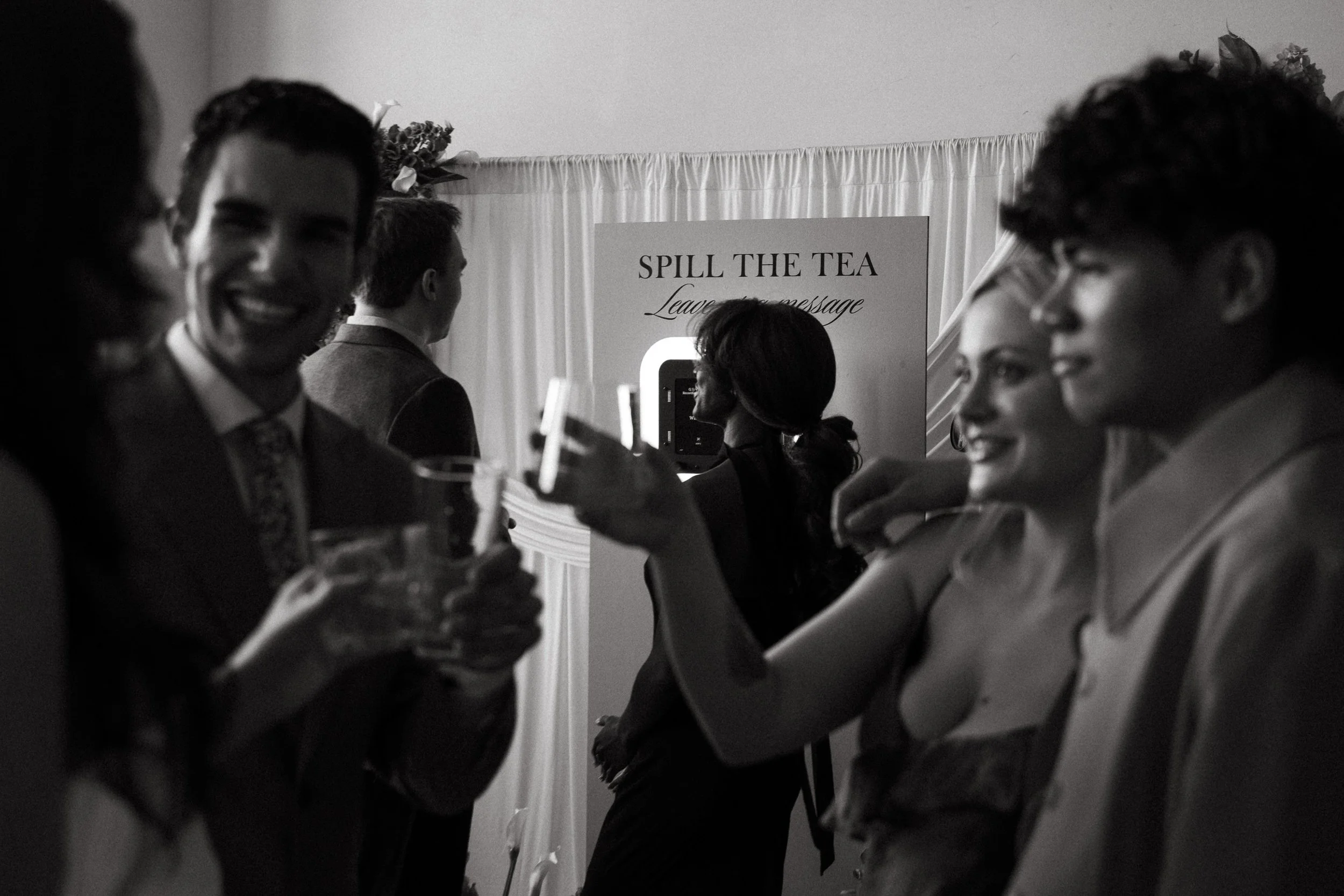
The good news is that your guests won't notice most of the places you can trim. They will notice a few, though, and those are the ones worth protecting.
The short answer: cut the guest list first, then the extras guests barely see (favors, printed pieces, out-of-season flowers, a brand-new outfit). Protect the things guests actually feel: good food and drinks, a comfortable night, and a real way to remember it. For that last one, a video guest book captures every guest in their own words for less than the average videographer costs.
Why Are Weddings More Expensive in 2026?
In June, the Bank of America Institute published "Weddings: Putting a price on love", an analysis of the bank's own customer payments data. It found wedding-related spending per customer grew 8.5% year over year from January through May 2026, more than double the growth of the past two years.
Part of that is tariffs. The report found the impact on wedding-facing small businesses, like florists, caterers, and apparel shops, has been "pronounced," noting that most cut flowers sold in the US come from other countries. Many of those small vendors have passed higher costs on to couples.
A few other findings from the same report are worth knowing if you're planning right now:
Gen Z weddings have tripled since 2019, based on Bank of America payments data, so a lot of first-time planners are working with first-job budgets.
May and October are the busiest wedding months, with May leading every year over the past decade.
Couples are getting intentional. The report describes people "cutting costs in some areas while still splurging on the overall experience."
That last point is the whole game, so let's get into it.
Where It Actually Makes Sense to Spend Less
Your guest list
This is the single biggest lever you have. According to The Knot's 2026 Real Weddings Study, the average couple spent $34,200 in 2025, about $292 per guest. Weddings with 51 to 100 guests averaged $27,200, while weddings over 100 guests averaged $43,300.
Every name you cut lowers the catering, bar, rentals, and stationery bill at once. A smaller room full of people you love also tends to feel more like a party than a crowd.
Your date
If May or October is your dream, you're competing with the most couples for the same vendors. A Friday, a Sunday, or a month just outside peak season can give you more room to negotiate. It's worth asking every vendor what their quieter dates look like before you lock anything in.
Flowers
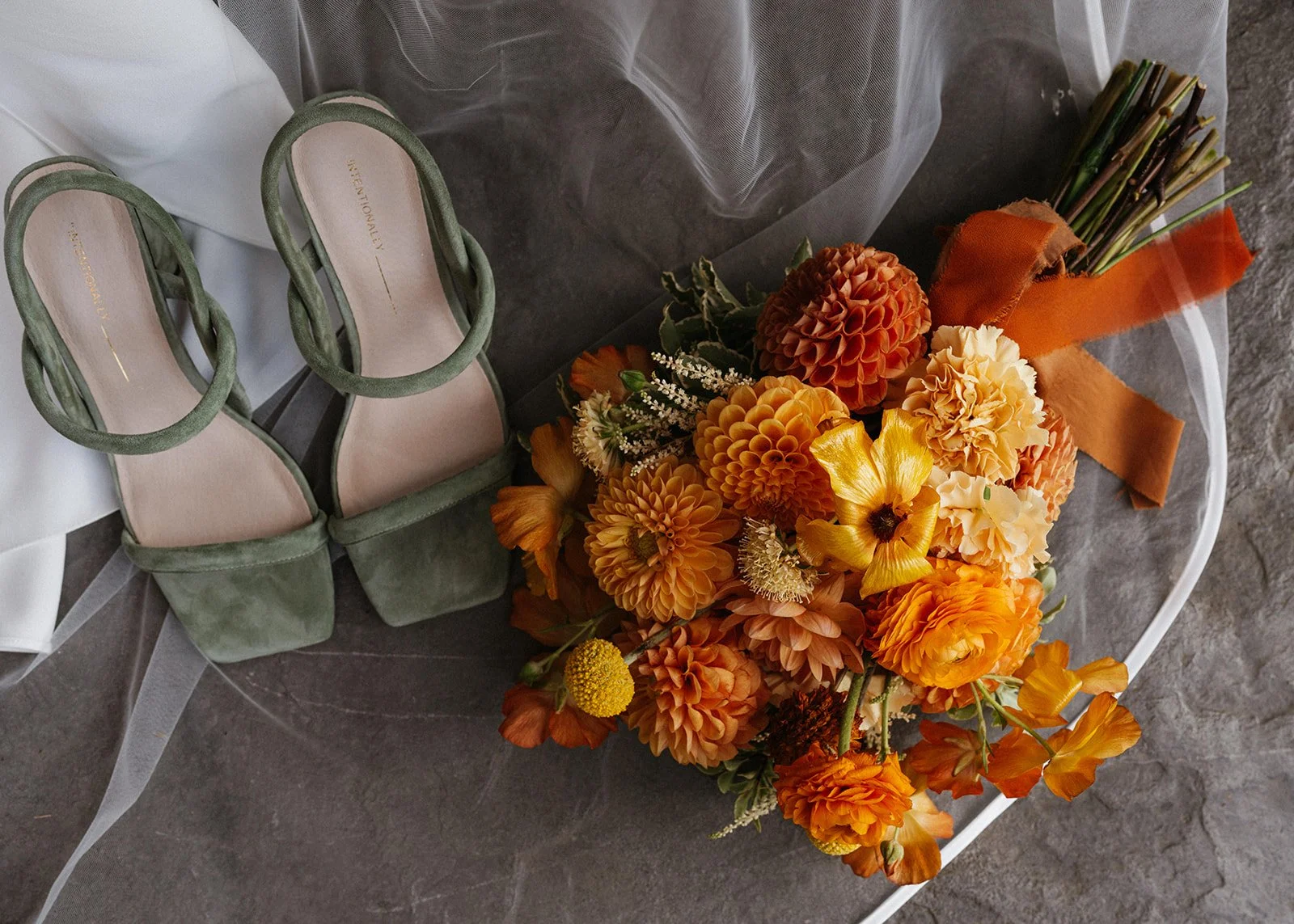
Since so many cut flowers are imported, florals are one of the places tariffs show up fastest. Ask your florist what's in season locally, lean on greenery, and plan to move ceremony arrangements to the reception so you pay for them once.
Attire, yours and theirs
Renting, buying secondhand, or restyling something you already own has gone fully mainstream. Bank of America's data found over 41% of people plan to re-wear or restyle an outfit when they attend a wedding as a guest, and Gen Z is especially open to renting and thrifting. Give your wedding party the same permission. They'll thank you.
The extras nobody remembers
Be honest about which line items exist because "everyone does it." Favors, programs, elaborate signage, and a stack of printed menus rarely come up in anyone's memory of the night. Spend that money where guests actually feel it.
Where Skimping Backfires
Guests forgive a lot. They don't forgive being hungry, thirsty, or bored. These are the places to hold the line.
Food and drinks
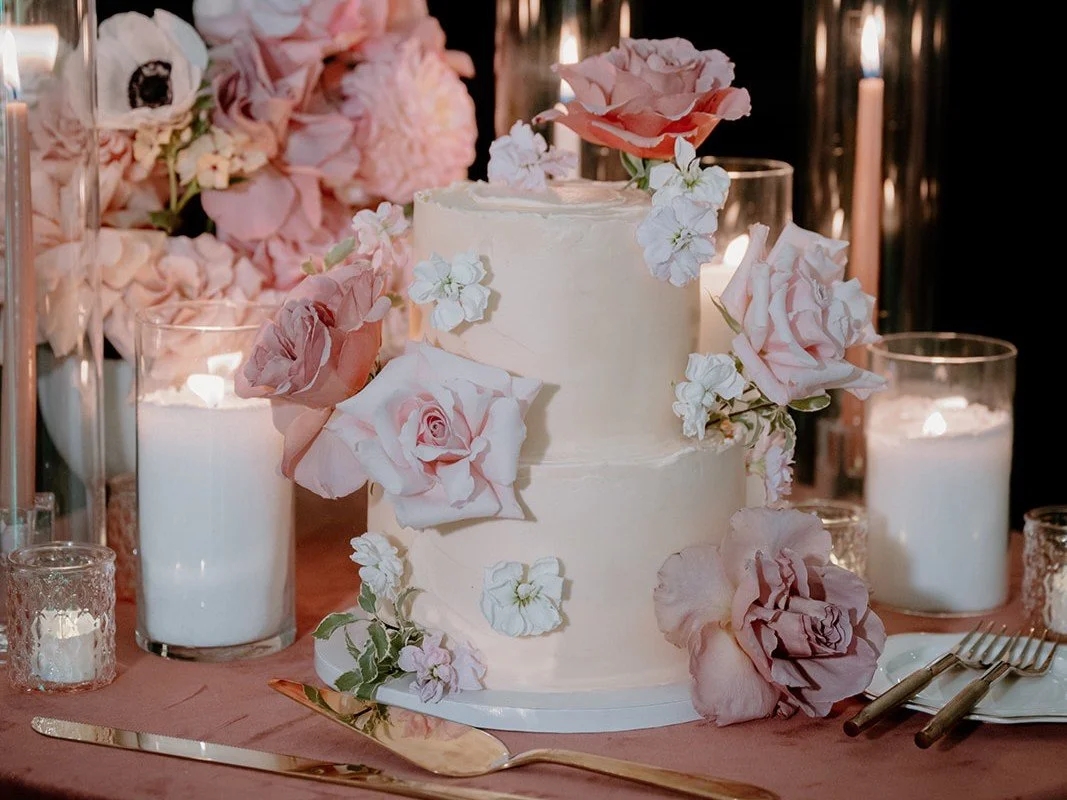
This is the part of the night every guest experiences directly. If you need to save, change the format (family style, a great late-night snack, a short signature cocktail list) rather than cutting portions or closing the bar early.
Comfort and flow
Enough seats, shade or heat depending on the season, a timeline without long dead stretches, and a clear plan for getting home. None of it shows up on Instagram, but guests notice right away when it's missing.
Capturing the day
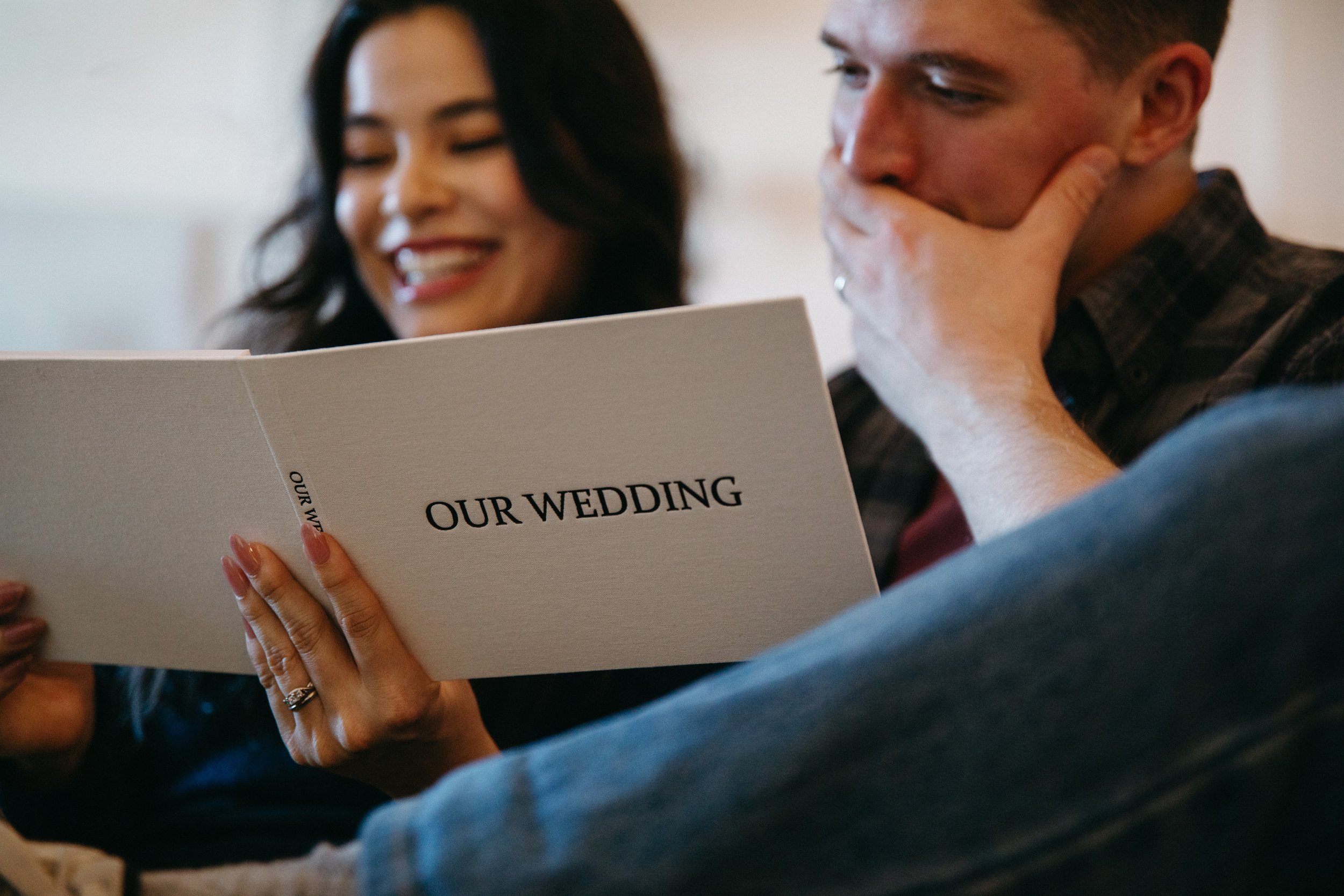
Weddings go by fast. Really fast. Most couples say afterward that they barely got to talk to anyone, which is exactly why how you capture the day matters so much. Photos are worth protecting, but the moment you want back is usually what people said to you.
Is a Video Guest Book Cheaper Than a Videographer?
Usually, yes. The Knot puts the average wedding videographer at $2,300, and notes that adding a second shooter increases that spend. Only 37% of couples book a videographer at all, so most weddings end with no video of the guests whatsoever.
A Voast video guest book starts at $1,240 for a weekend rental, and it captures something a videographer usually can't: every guest, in their own voice, telling you what they wanted you to hear. Here's how it works:
It ships straight to your venue and sets up in about five minutes. No attendant needed.
Guests step up to the screen, read a question you wrote in advance (or one of ours), and answer on camera. They can watch it back and re-record before it saves.
You get every raw clip, with no cap on how many guests record. A bonus photo booth mode and texting guests a copy of their clip are included, too.
An edited highlight video is optional. A Story Edit is a $350 add-on if you want one.
Some couples use Voast instead of a videographer. Andrew F. told us, "We used Voast as an alternative to videography for our wedding, and we were extremely happy with that decision. Our guests had an absolute blast leaving us messages throughout the night, and my wife and I had an even better time watching all of the clips back."
Others keep their videographer for the ceremony and first dance, and book Voast instead of a second shooter or another entertainment line item. It does double duty: guests have something fun to do between dinner and dancing, and you get the footage afterward. If that sounds like your plan, see how it works for weddings.
FAQ
How much has wedding spending gone up in 2026? Bank of America Institute data shows wedding-related spending per customer up 8.5% year over year from January through May 2026, with tariffs on small wedding vendors as one of the drivers.
What's the easiest way to lower a wedding budget? Cut the guest list. Cost scales with headcount almost everywhere, from catering and bar to rentals and invitations, so a smaller list saves money across the board.
Are tariffs affecting wedding flowers? Yes. Bank of America's report notes that most cut flowers sold in the US are imported, and many small wedding vendors have passed tariff costs on to couples. Seasonal, locally grown flowers and greenery are a good way to soften the hit.
What should you never cut from a wedding budget? The things guests feel directly: enough food and drinks, a comfortable venue and timeline, and a real way to remember the day.
Can a video guest book replace a wedding videographer? It can, and some couples use it that way, especially if hearing from guests matters more to them than cinematic ceremony footage. Many couples keep a photographer, skip or scale back video, and use the guest book to fill the gap.
Do we need someone to run the Voast booth? No. It's self-serve, ships to your venue, sets up in about five minutes with a standard outlet, and ships back with a prepaid label.
Spend on the Part You'll Rewatch
Most of your wedding budget disappears the night of. The things that last are the photos, the people, and the words they shared with you. Trim where guests won't notice, protect what they will, and make sure you leave with more than a blur.
Want to know more?